The best road trip routes in Europe for a rental car are four different trips rather than one. The North Coast 500 in Scotland is a 516-mile route,[1] Ireland’s Wild Atlantic Way is 2,500 km,[2] Iceland’s Ring Road is 1,322 km[3] and Germany’s Romantic Road is 460 km by the count of the association that runs it.[4] This guide compares them by length and by the days the official tourism sources name, points to a full guide for each route and covers what changes when a rental car crosses a border.
How do you choose a road trip route in Europe?
Start with time. The table puts the lengths and the days that each source names side by side.
| Route | Length | Days the source names |
|---|---|---|
| North Coast 500, Scotland | 516 miles (about 830 km) | Most visitors take 5 to 7 days |
| Wild Atlantic Way, Ireland | 2,500 km (about 1,550 miles) | At least 10, and 14 or more for the best experience |
| Ring Road, Iceland | 1,322 km (about 821 miles) | No number in the sources |
| Romantic Road, Germany | 460 km (about 286 miles) | 5 days and 4 nights in the association’s car itinerary |
The lengths differ by a factor of more than five, so the number of days you have narrows the choice quickly. VisitScotland adds that driving the NC500 without stopping would take around 11 to 13 hours, and Tourism Ireland says the Wild Atlantic Way can also be enjoyed in sections.
Then look at where the car has to end up. VisitScotland says the NC500 starts and finishes in Inverness. Tourism Ireland describes the Wild Atlantic Way as running from Malin Head to Kinsale (its FAQ names Muff as the official start), and the Romantic Road runs from Würzburg to Füssen, so on those two routes the start and the end are in different places. Whether a rental company lets you return the car somewhere else is its own condition: ask when you book.
Compare car rental
500+ rental companies. Free cancellation on most bookings.
North Coast 500, Scotland
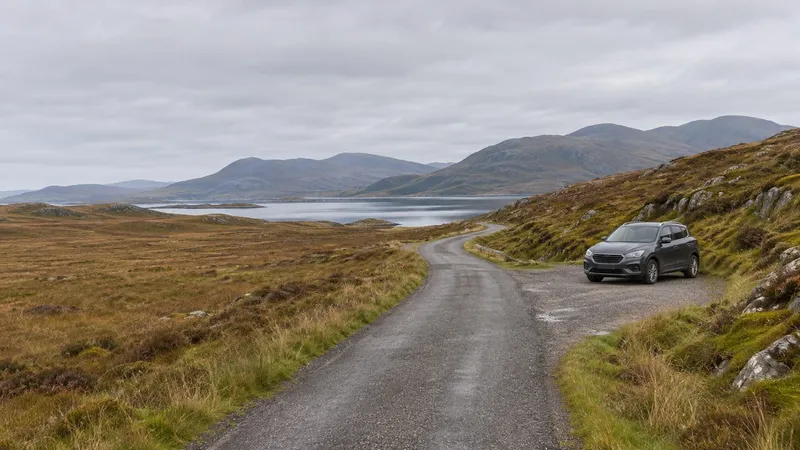
The NC500 is a loop around the north of Scotland that starts and finishes in Inverness, and VisitScotland says you can drive it in either direction. VisitScotland says parts of the NC500 include narrow roads and single-track sections; its advice to check vehicle size is given for motorhomes and campervans, and the same applies to the width of a rental car.
Inverness has no page on this site. The pickup points with pages here include Edinburgh Airport, Glasgow Airport and Aberdeen Airport, so the drive to Inverness comes before the first day of the route. The full guide covers single-track roads, the seasons and electric cars: the NC500 by rental car. For the rules that apply to any rental in the country, see the United Kingdom country page.
Wild Atlantic Way, Ireland
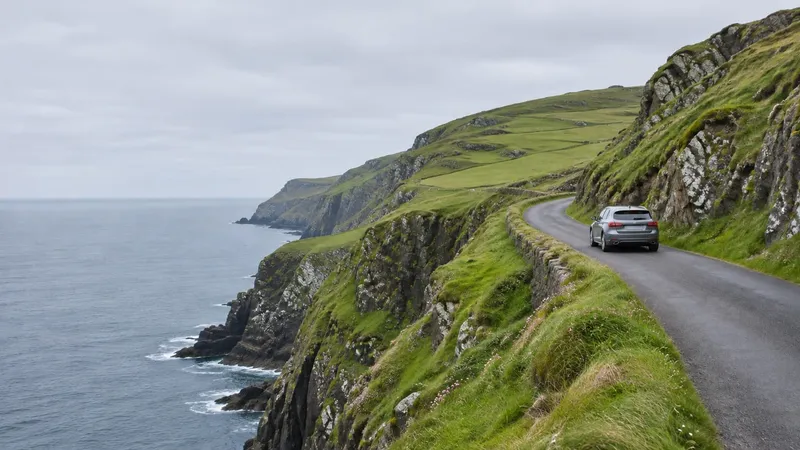
The Wild Atlantic Way is the longest of the four, a coastal route down the west coast of Ireland. Tourism Ireland says it passes through nine counties, from Malin Head in County Donegal to Kinsale in County Cork, and advises setting aside at least 10 days, or 14 and more if you want the best experience. A shorter trip can take just one section.
Three places near the route have pages here: Shannon, Knock and Cork, each with an airport page. The example itinerary and the places by county are in the Wild Atlantic Way guide, and the Ireland country page sums up the local rental rules.
Ring Road, Iceland
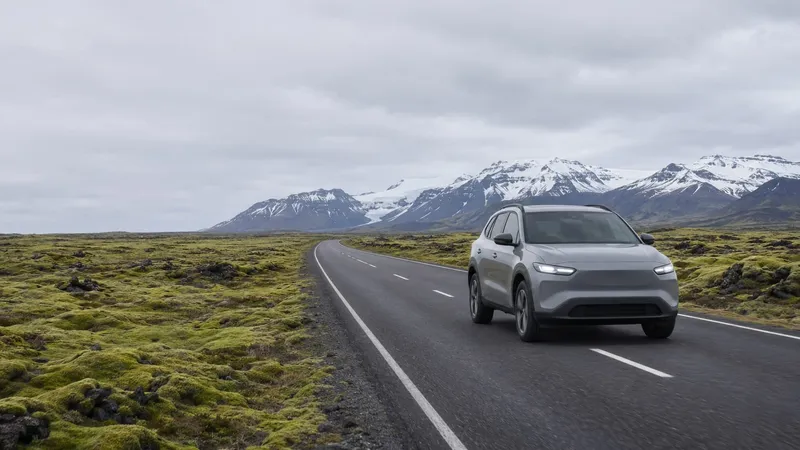
Route 1, the Ring Road, is 1,322 kilometers long, and Visit Iceland says all of it is paved and open throughout the year. It adds that bad weather in winter can cause temporary and local closures. Visit Iceland also says most car rental services offer pick-up from the airport in Keflavík, and this site has pages for Keflavík Airport and Akureyri Airport.
No source used here sets a number of days for the Ring Road, so the full guide divides the length evenly and then covers the speed limits, gravel, mountain roads and winter: the Iceland Ring Road by rental car. For the rules that apply to any rental in the country, see the Iceland country page.
Romantic Road, Germany
The association that runs the Romantic Road describes it as 29 towns and 460 kilometers from Würzburg to Füssen. It also publishes a car itinerary of 5 days and 4 nights.[5] The German National Tourist Board gives the length as about 400 kilometers,[6] so the two figures differ, and the full guide uses the association’s.
Würzburg, Augsburg and Füssen have no page on this site, but Frankfurt Airport and Munich Airport do. The full guide has the five days in a table, the environmental sticker rule and the festival season: the Romantic Road by rental car. The Germany country page sums up the local rental rules.
Can you take a rental car across borders in Europe?
Often only with the rental company’s agreement. Your Europe, the European Commission’s portal, says that if you plan to drive a rental vehicle in several countries you must inform the rental company when booking. If the company allows you to take the vehicle to a country other than the one you are visiting, it can make sure you have the correct vehicle documentation, insurance and breakdown cover.[7]
The same page says every rental vehicle needs third-party liability insurance that is valid in all EU countries. Ireland, Germany and Austria are EU members; the United Kingdom and Iceland are not. Your Europe’s rule is about EU countries and does not mention the UK or Iceland, so for those read what the rental contract says about cover. Your Europe adds that the rental company must make sure the car complies with the customs and traffic rules of the country where you travel, and gives winter tires, compulsory in many countries during certain months of the year, as an example.
A drive from Germany into Austria or Switzerland also raises the question of prepaid motorway passes, which the Austria and Switzerland guide explains. How tolls work in the rest of Europe is covered in the guide to rental car tolls in Europe.
Road trip in Europe: which rules change at the border?
Your Europe says there are no EU-wide laws on road traffic rules and safety, although a few rules apply in all EU countries: you must wear a seat belt in all vehicles, children must have appropriate child restraints and it is forbidden to use a mobile phone without a hands-free set while driving. It lists what can differ from one EU country to the next: the maximum blood alcohol level, speed limits for different types of roads and vehicles, required safety equipment, mandatory daytime running lights or winter tires, and driving on the left side of the road, which applies in Cyprus, Ireland and Malta.[8]
Of the four routes, the Wild Atlantic Way is in a country on that list, and the NC500 is also on the left. What changes when you drive on the left covers both for a driver used to the right. Your Europe’s list is about EU countries; for Iceland, the Ring Road guide uses the rules published by Iceland’s own authorities.
For a driver with a UK licence, GOV.UK says to carry the licence with you, and that when you hire a car you may need to share your licence information with the hire company through a check code.[9] Whether you need an international driving permit as well is answered in the questions below and in the guide to the permit.