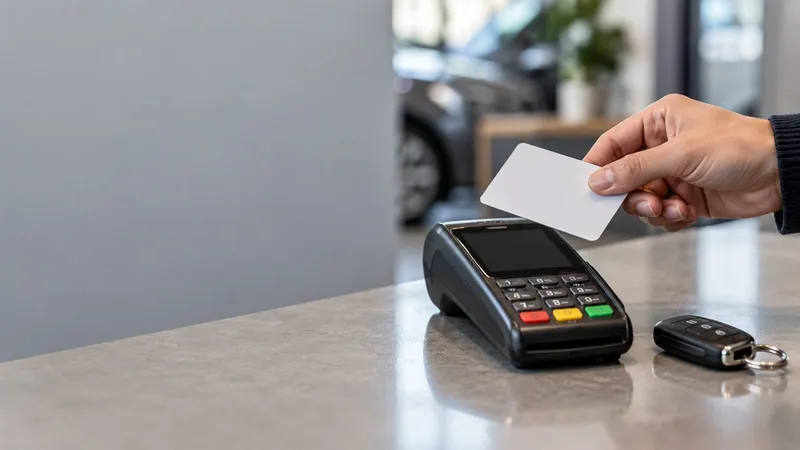
How to rent a car comes down to presenting a valid driving licence, a photo ID and a payment card in the main driver’s name at the desk. Many companies also want the licence to have been held for more than 1 year, and some ask for 2.[1] This guide follows the rental in order, from the offer you choose to the day you hand the keys back.
What do you need to rent a car?
You need four things at the desk: your driving licence, a passport or national ID card, a payment card in the main driver’s name, and your booking confirmation. The rental terms of your offer list the exact items, so print them or save them on your phone before you travel. The European Consumer Centre France also advises printing the confirmation together with the terms and conditions, and bringing the physical licence, because the digital driving licence in the France Identité app is not recognised abroad.
| Item | Why the desk asks for it |
|---|---|
| Driving licence | Shows you may drive the car class |
| Passport or ID card | Matches your name to the licence |
| Payment card | Holds the deposit |
| Booking confirmation | Shows the price and terms you agreed |
Every name must match. If the licence says one spelling and the card another, expect questions. The sections below explain each item, and the rules for renting a car in France show how a single country applies them.
Compare car rental
500+ rental companies. Free cancellation on most bookings.
Is your driving licence valid where you rent?
In the EU, a licence issued in one member state can be used anywhere in the EU.[2] The same page warns that a licence that expires during a trip abroad becomes invalid automatically, so look at the expiry date before you book, not at the desk. It also says you cannot drive in another country on a provisional licence or certificate.
If your licence was issued outside the EU, the Commission tells drivers to contact the authorities of the country they are visiting, or their embassy or consulate there. In practice this means asking whether your licence is accepted as it is or whether more documents are needed. Our guide to the international driving permit explains when that second document matters.
Drivers with a Great Britain licence have one more step. GOV.UK explains that you can get a licence check code online up to 21 days before your trip and share it with the hire company.[3] Northern Ireland licence holders show the paper counterpart instead. See the driving rules for renting a car in Great Britain for the domestic picture.
Which card do you need at the desk?
Bring a card in the main driver’s name, and make it a credit card if the rental terms say so. Many companies require a credit card, and a debit card may be refused. The company puts a deposit hold on the card, and without the right card the booking can fail at the counter even if everything else is in order.
The hold is a separate matter from the price you paid online. It is released after the car comes back, in whole or in part. If you plan to pay with debit, read the terms of the offer before you book rather than after you land. Our guide to renting a car with a debit card goes through which offers allow it and how the deposit works.
A card with a low limit can fail the deposit hold even when it has enough money for the trip. Keep room on it for the full hold.
How old do you need to be?
Drivers under 25 often pay a supplement on top of the rental price. A short licence history can matter as well as your age, because many companies ask for a licence held for over a year. The full breakdown by country is in our guide on how old you must be to rent a car.
What to check when you book
Most of the surprises at the desk are written in the terms you accepted online. Read these items for your offer before you pay:
- Included cover and excess. The excess is the amount you may have to pay for damage or theft. Extra cover can reduce it to between 600 and 1,500 euros, or to zero in some cases, so read what the cover excludes.
- Fuel policy. Find out whether you collect the car full and return it full, or whether you prepay for a tank.
- Mileage. Look for whether unlimited mileage is stated in the contract.
- Crossing borders. Some terms forbid taking the car into certain countries or limit it.
- Second driver. Make sure any second driver is covered by the insurance.
Insurance deserves its own read. Our guide to rental car insurance explains the abbreviations. Rules vary by place, so a page such as the driving rules for renting a car in Italy helps with local details like fuel and tolls.
What happens at the desk and at pickup?
The agent looks at your licence, ID and card, then asks you to sign the rental agreement, so read the total and the deposit figure before you sign. A deposit usually matches the excess. The European Consumer Centre France gives a typical range of 1,000 euros, sometimes 2,000 euros, refunded at the end of the rental in whole or in part.
Then comes the inspection. Ideally it is done with an employee beside you. If nobody is free, make sure the pre-filled condition report lists all existing damage and the extras you ordered. Pay attention to the wheel rims, the underside, the interior and the fabrics.
Photograph or film every scratch and dent before you leave the lot, including the fuel gauge and the mileage. Timestamps help if there is a dispute later.
Report anything you find later in writing at once, with photos. The driving rules for renting a car in Spain are worth a look if you are collecting the car there, since the habits at the desk are similar from country to country.
How to return the car
Return the car to the location in your contract, during opening hours and at the agreed time. Some companies allow a margin of 30 minutes to an hour, but a late return can cost an extra day. Return it with the fuel level the policy requires, and keep the refuel receipt.
- Refuel close to the drop-off point and photograph the gauge.
- Empty the car and look under the seats.
- Walk around the car with an agent, if one is available.
- Sign the return document and keep a copy.
- If you use a key box, photograph the car and the box.
You stay responsible for the car until the keys are handed over.
Charges can arrive after you leave. Companies may bill for damage or a late return, and traffic fines reach you with an administrative fee. Watch your card statement for weeks after the trip.
Damage charges need your explicit agreement after the incident, and the company must show the rental agreement and a repair estimate or invoice. Contact the company first about any charge you dispute. If that fails, a consumer centre in your country can help.