Does Instacart pay more than DoorDash? Neither company publishes an average that settles it, and the two build pay differently enough that a single number would hide more than it shows. This guide explains how DoorDash calculates pay, how its tips and payouts work, what Instacart says on its sign-up page, and what to subtract before comparing, without claiming what you will earn.
How does DoorDash calculate pay?
DoorDash says Dasher pay has three parts: base pay, promotions and tips. When a Dasher chooses to earn per offer, base pay is DoorDash’s contribution for the offer, shown in its help article as ranging from $2 to $10 or more depending on estimated time, distance and how desirable the offer is. Base pay does not change with the customer tip.[1] Our guide to DoorDash driver pay explains each part in more detail.
Promotions add pay for offers that meet certain conditions. DoorDash names Peak Pay, Challenges for completing a set number of deliveries in a set time, Delivery Streaks and Boosts. They can vary between Dashers by experience, location and time of day.
The offer amount on the acceptance screen is described as the minimum guaranteed amount for the offer, and total earnings can end up higher.
How does Instacart calculate pay?
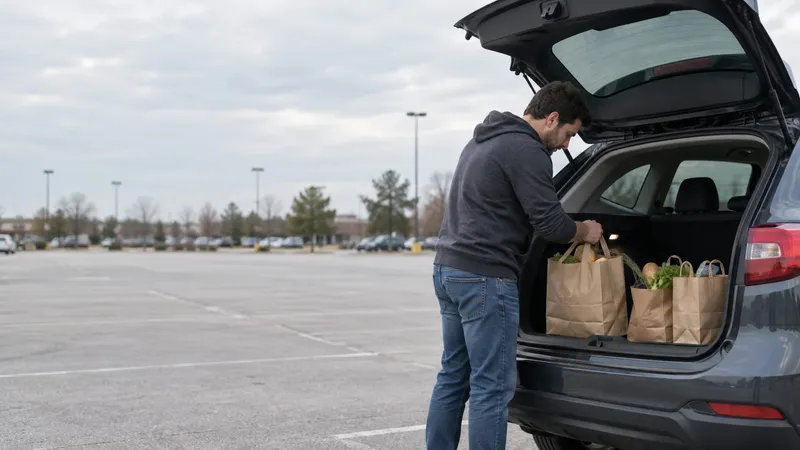
Instacart describes its shopper work as viewing orders in your area, choosing the ones you want, shopping for the items and delivering them to the customer. Its US shopper page says you shop only the orders you want and can cash out as soon as 2 hours later.[2]
Instacart’s shopper jobs page says the amount you earn per batch depends on the number of items, the type of items, the driving distance and the effort involved in shopping and delivering. It adds that you keep 100% of customer tips, that you always see the upfront earnings before accepting a batch, and that batch incentives, quality bonuses and peak boosts can add to what you earn.[3] Neither page gives an average, so the screen in the Shopper app is the figure that counts. For more on batch pay, see what Instacart shoppers make.
The result is two different units of work. A DoorDash offer is usually a delivery, while an Instacart order can mean shopping in a store and then delivering, so the time per order is not the same.
| Pay component | DoorDash | Instacart |
|---|---|---|
| Base amount | Base pay per offer | Batch pay: items, item types, driving distance, effort |
| Extras | Peak Pay, Challenges, Delivery Streaks, Boosts | Batch incentives, quality bonuses, peak boosts |
| Shown before accepting | Offer amount, a minimum guarantee | Upfront earnings for the batch |
| Tips | 100% of tips DoorDash receives go to the Dasher | Shopper keeps 100% of customer tips |
Compare car rental
500+ rental companies. Free cancellation on most bookings.
How do tips compare?
DoorDash says customers can generally tip at checkout or after delivery, and that base pay and promotions never vary with the tip amount. Its help article gives an example: a delivery with $6 in base pay and a $5 tip pays the Dasher $11. That is an illustration from DoorDash, not a typical figure.
Tipping options also depend on how an order is placed. DoorDash notes that orders placed directly through a merchant may not offer a tip prompt at all. On Instacart, customers have 24 hours to adjust their tip amount; after that the tip is final and available for instant cashout where you qualify.
How and when do you get paid?
DoorDash’s help article describes weekly direct deposit for deliveries completed Monday through Sunday, usually appearing by Wednesday night, and a Fast Pay option to cash out daily that carries a fee in the US. DoorDash Crimson is a banking account for instant pay.
Instacart says pay arrives weekly by direct deposit for the previous Monday through Sunday, and its shopper page says you can cash out as soon as 2 hours later if you qualify for instant cashout. The Shopper app shows the options on your account.
Who can sign up, and what do you need?
DoorDash’s Dasher page lists a minimum age of 18, with 19 in a number of states and 21 in California, and says any car, scooter or bicycle in select cities works; you need a driver’s license (or ID for bike-only) and a Social Security number for the background check.[4] Instacart’s shopper page says you must be 18+, eligible to work in the U.S. and have access to a vehicle for deliveries; other requirements can vary by role and region, so check its sign-up flow for yours.
What costs reduce what you keep?
Both apps pay independent contractors, so the pay on screen is before vehicle costs and taxes. The IRS standard mileage rate for self-employed and business use is 76 cents per mile for July 1 through December 31, 2026, after 72.5 cents per mile in the first half of the year.[5] An illustration: 100 business miles in the second half of 2026 is $76 at that rate. The rate is a tax figure, not your actual cost, and a tax professional can tell you how it applies.
Which makes more money, DoorDash or Instacart?
People ask what makes more money, DoorDash or Instacart, and whether Instacart pays better than DoorDash. Do you make more money with DoorDash or Instacart? It depends on how many orders reach you, how long each takes and what the vehicle costs. Asking whether DoorDash or Instacart is more profitable only makes sense per hour and after costs, and neither company publishes that figure.
How should you compare them?
- Use both apps in the same area for a few weeks at similar hours.
- Record total pay, tips, hours online and miles for each.
- Subtract vehicle costs and, if you rent a car, the rental price.
- Compare net pay per hour, not per order.
Shopping batches take longer on site than a restaurant pickup, so an hourly view is the only fair way to put them side by side.